I don’t judge people for having one or more imaginary friends different from mine. I don’t judge them for eating or drinking something I wouldn’t touch. When they listen to strange music, watch TV shows or wear goofy outfits, I don’t judge. Same for having intimacy with one sex or the other or with an abstract idea instead. People can do pretty much anything that doesn’t harm me or mine — it’s not my privilege to judge them.
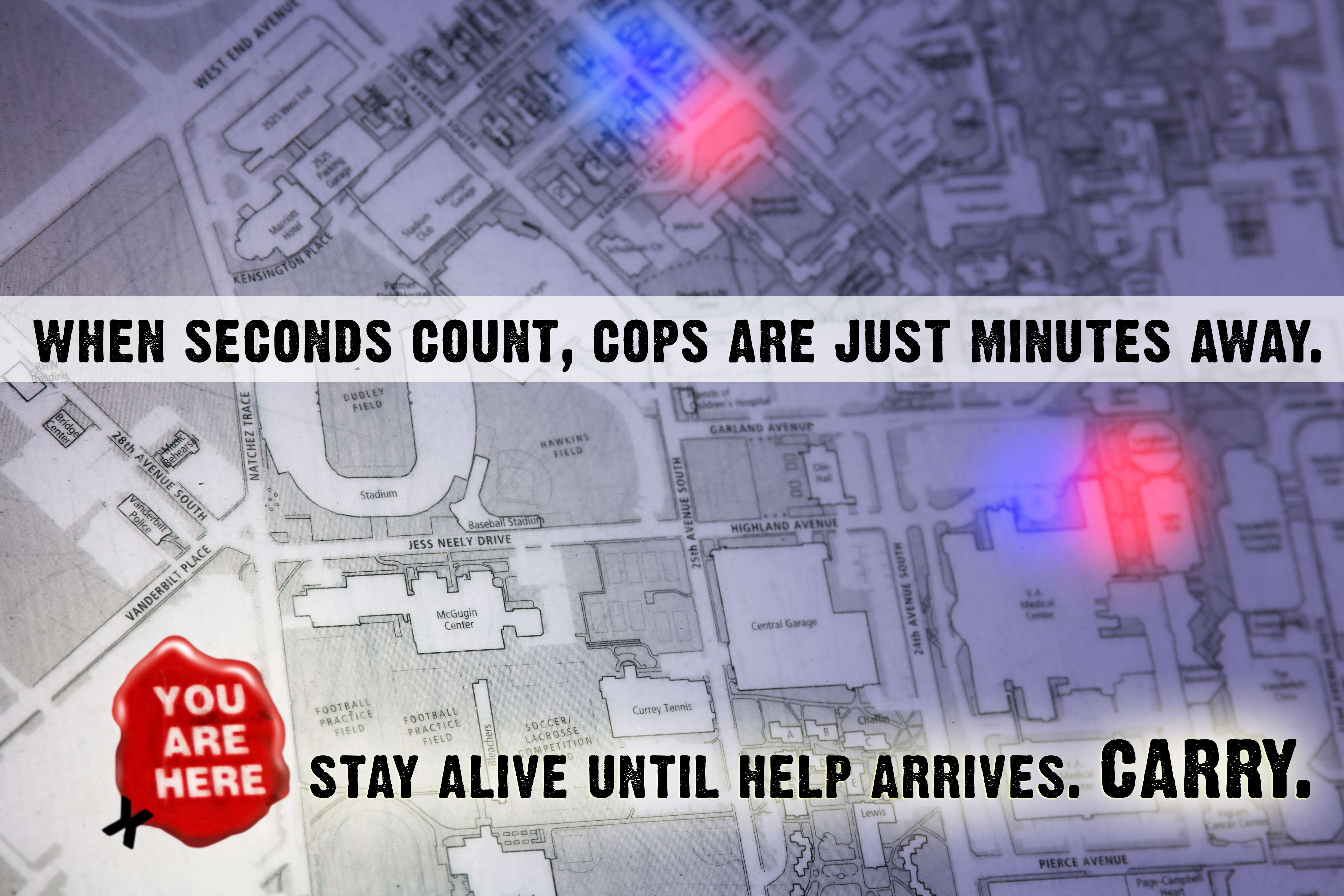
People who try to rob or rape me or mine get judged. People who advocate robbing or raping me or mine get judged. So do those who try to do it through proxies. With judgment comes the sentencing.
Those who are all talk, get sentenced to living their lives without my company. Those who would actively trespass against me or mine, might get a chance to reincarnate as something better. For in-between actions, my responses vary — sometimes, it is not expedient or practical to apply the penalty merited for a specific evil, but the record of the judgment is kept for the future.