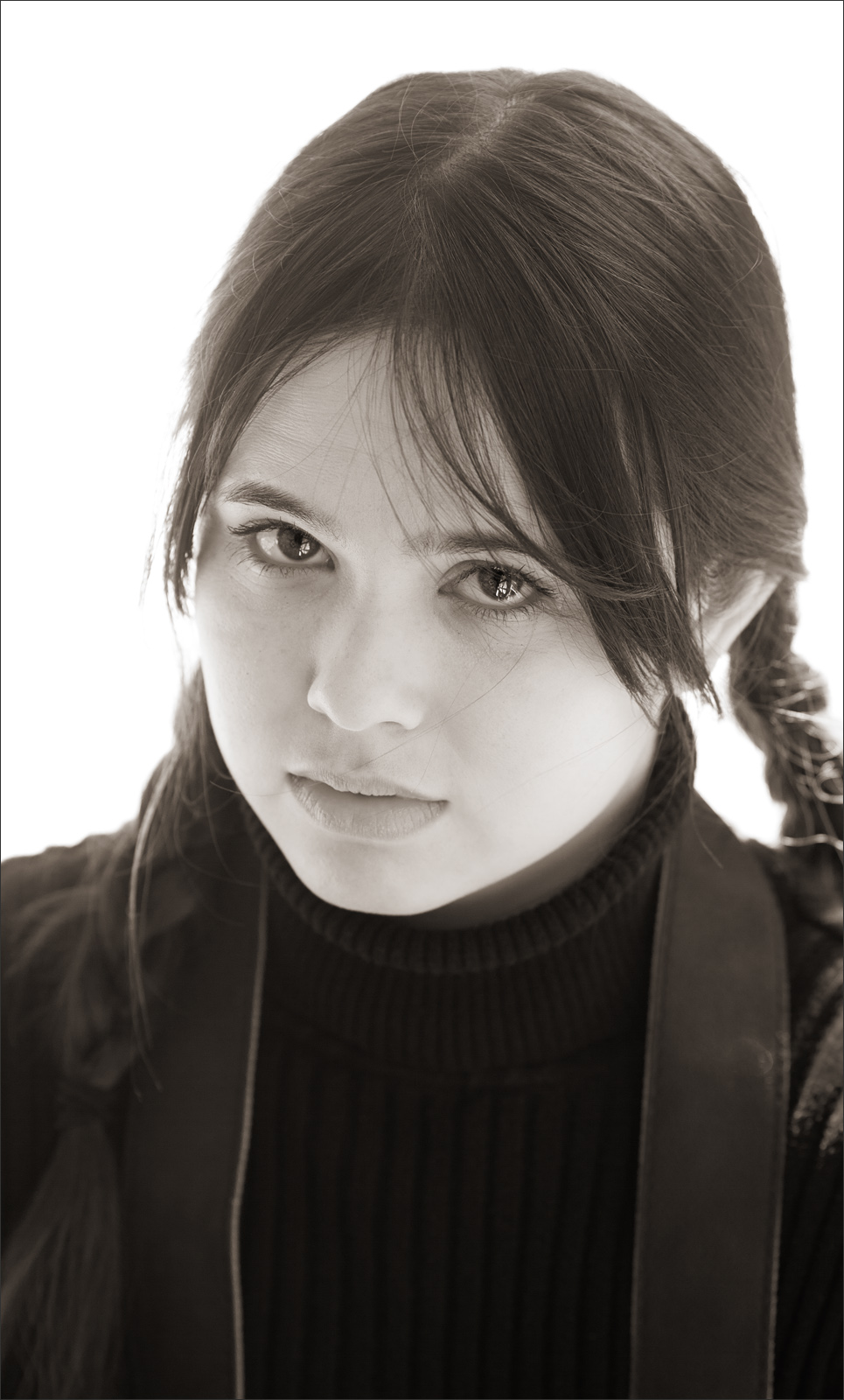
Photographer/model Chryseis Dawn.
Photographer/model Chryseis Dawn.
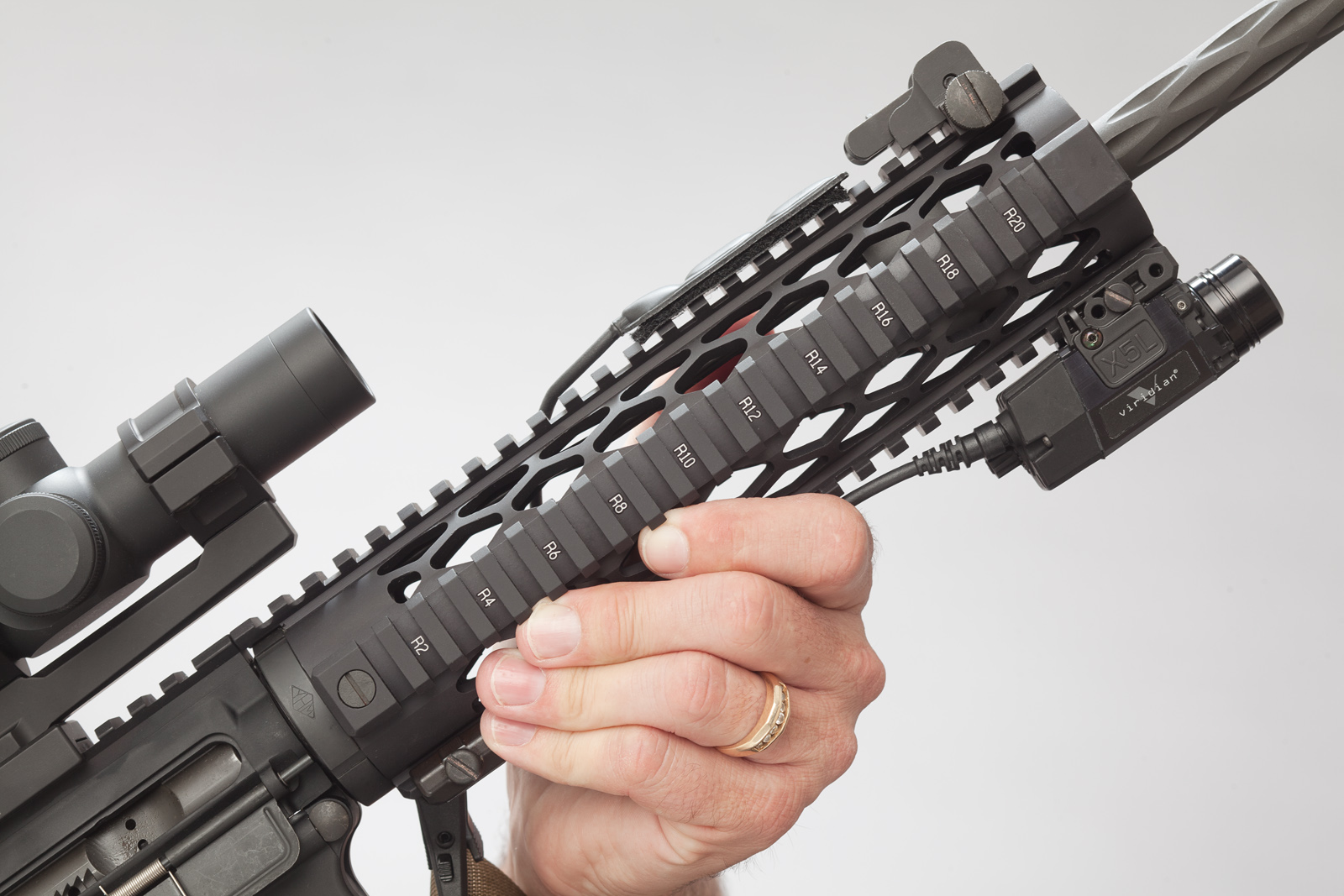
In case of civil unrest, rioters would be well served to stay away from people with rings on their fingers. A single person might choose to retreat, but those who can’t maneuver due to kids would be more inclined to make a stand. They won’t feel guilty about removing any perceived threats to the kids and spouse.
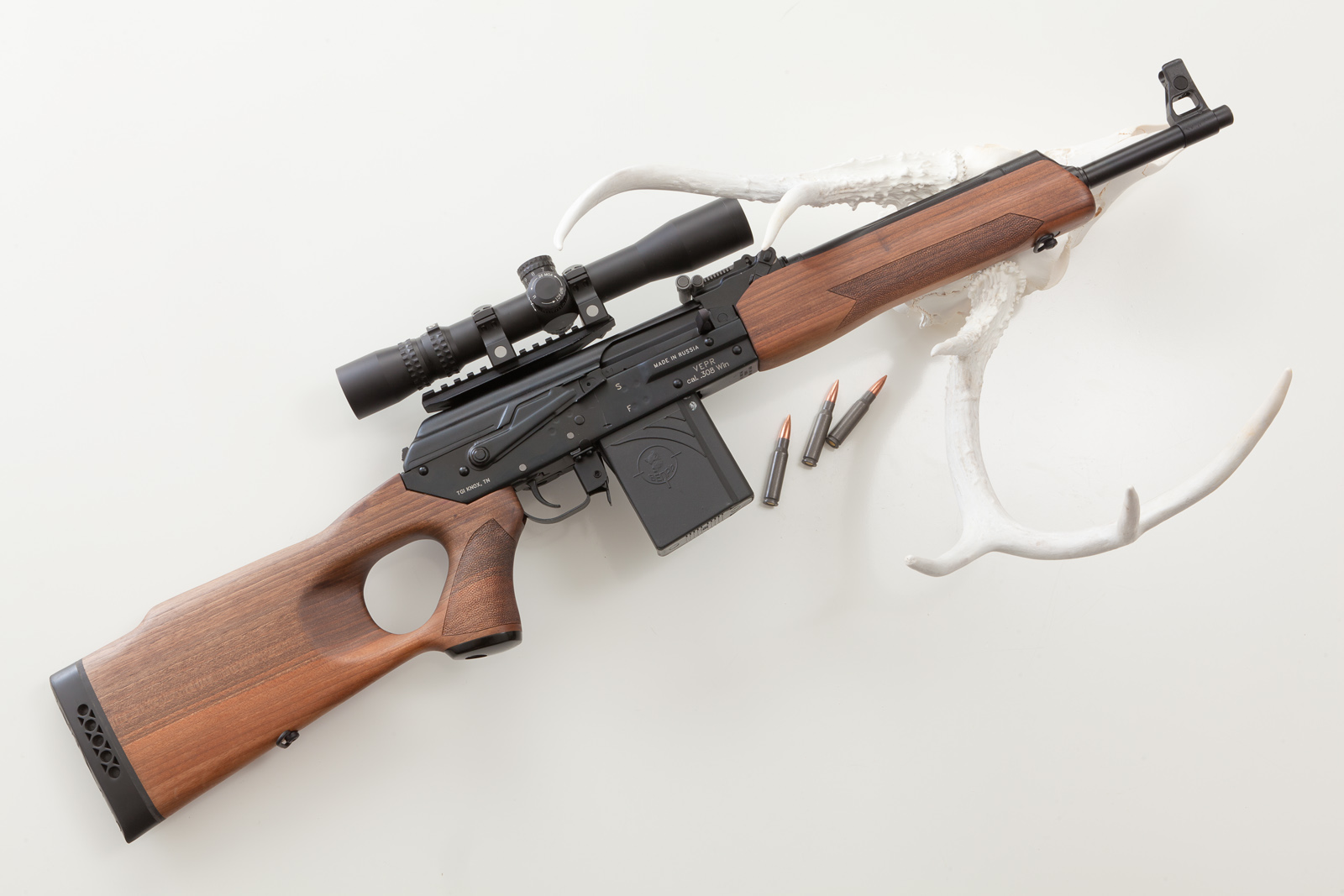
Also useful for computer wallpapers.
This summer, I will be in Prague and Budapest for about ten days. I’d like to stay in touch with people by phone, but not sure how viable my AT&T Android phone would be there. Any suggestions on the best way to have access to my standard number and voicemail while abroad?
The image I posted last week is now on the front page of YHM site. And it looks completely different! I like what their designer has done with it.
 My last range trip lasted three and a half hours. We brought three guns only and hand three people alternating on a single firing point. No rapid fire, one zeroing. Ended up shooting about a hundred rounds each of .308, .223 and .22. So 300 rounds total on a very slow range day.
Assuming just one range trip per month weapon, it still works out to more than a case of ammunition per caliber just staying in practice. Had we done movement drills or run three firing points, the ammo consumption would have at least doubled.
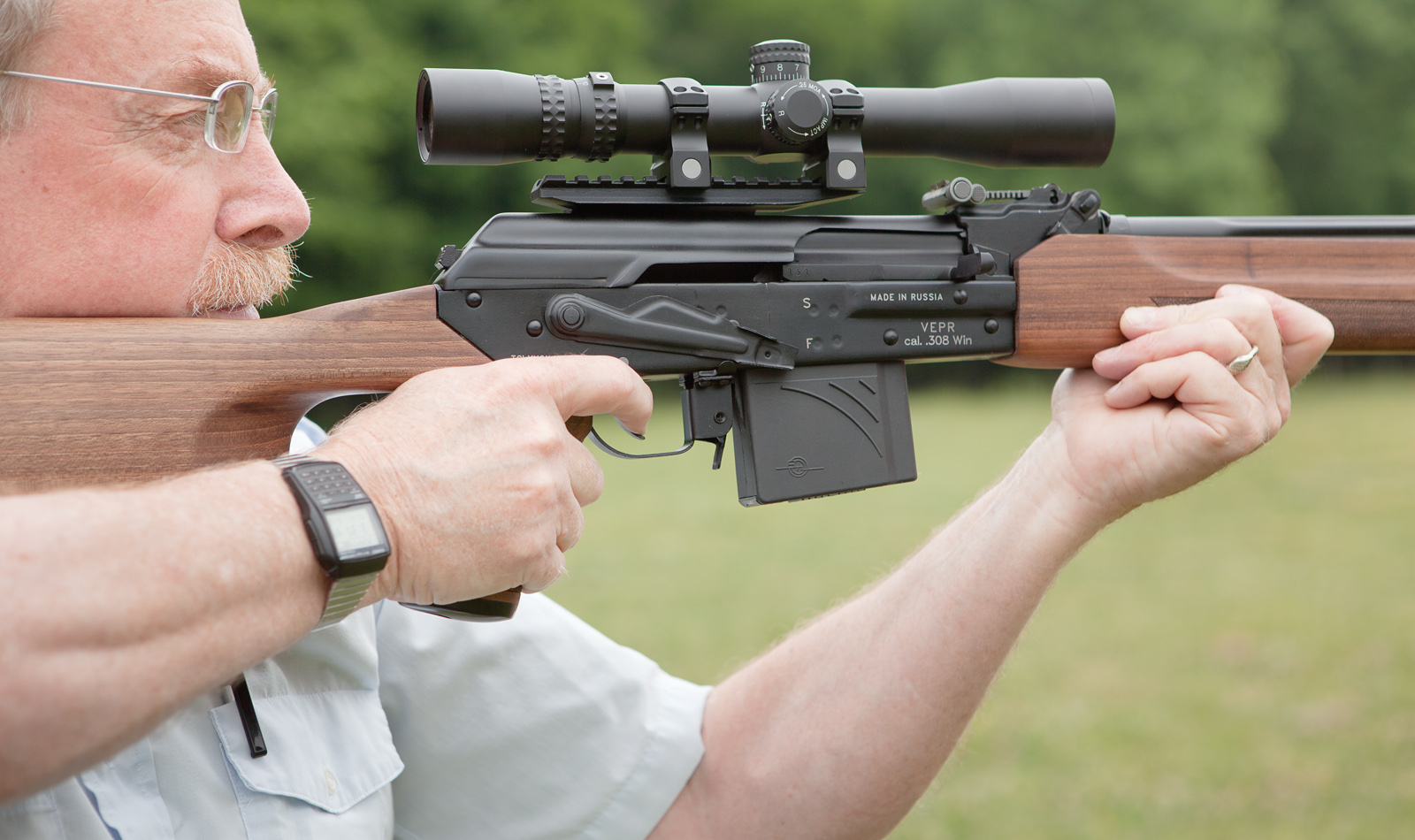
308 Vepr with 5-round magazine, 16" barrel, 2.5-10x Nightforce scope
Took the 308 Vepr to the range for the first time. Since I didn’t have the lowest rings available, the gun could have used a cheek rest. Even so, the nice 2.5-10x scope worked really well at 50 yards. Rain came and went, so we just fired steel-cased ball to get a rough zero. Got to give to the AK types, they run pretty much any ammo. Good trigger, very mild recoil.
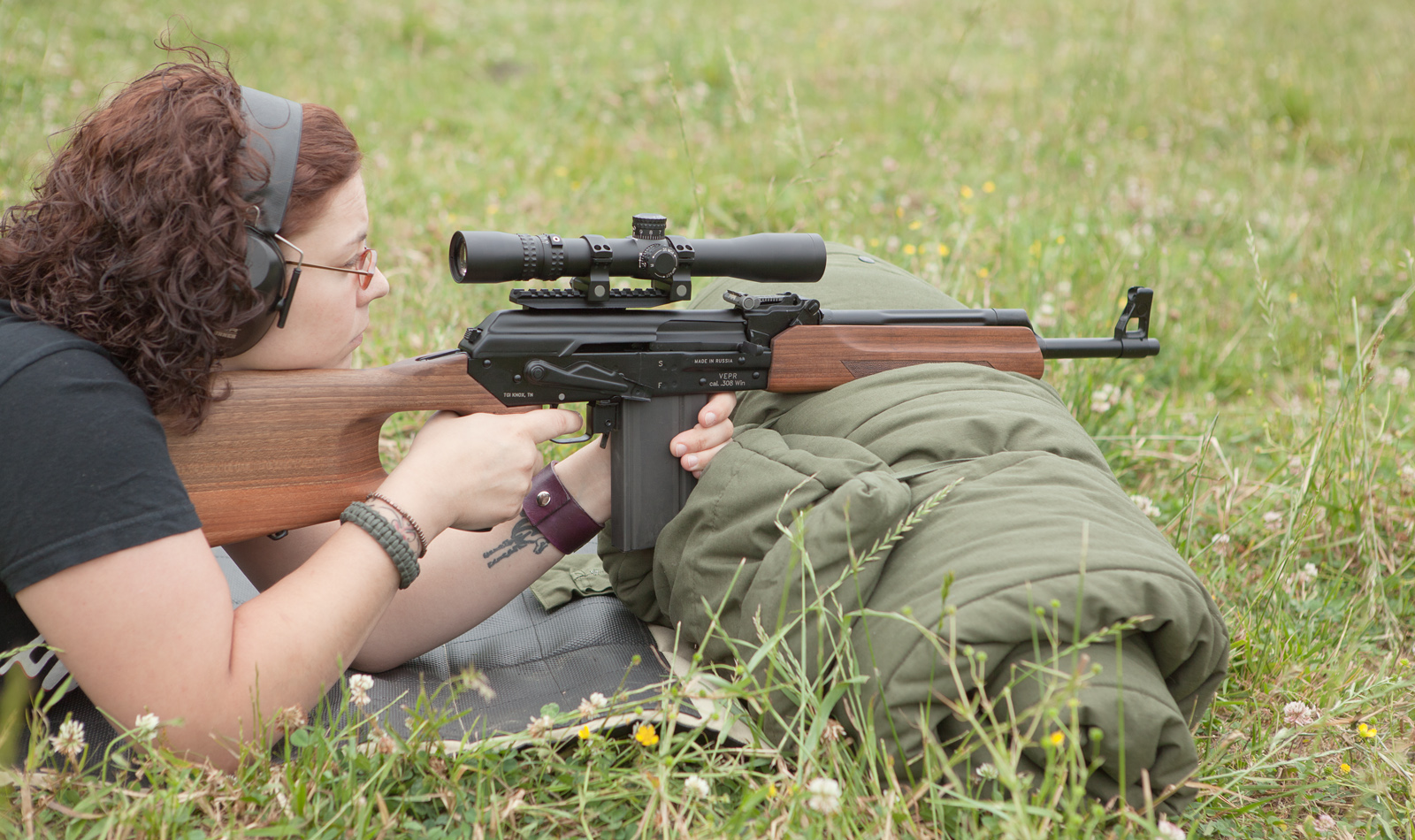
Vepr with 20rd TSD magazine
In addition to the standard 5 and 5 round magazine, I tried a TSD 20rd magazine. It’s an M14 mag body with welded tabs for AK receiver. Rock-solid — which is good news for people who want to use it for support on firing!
We put about a hundred rounds through this rifle but ran out of time for accuracy testing. Next time, will try different types of ammo.
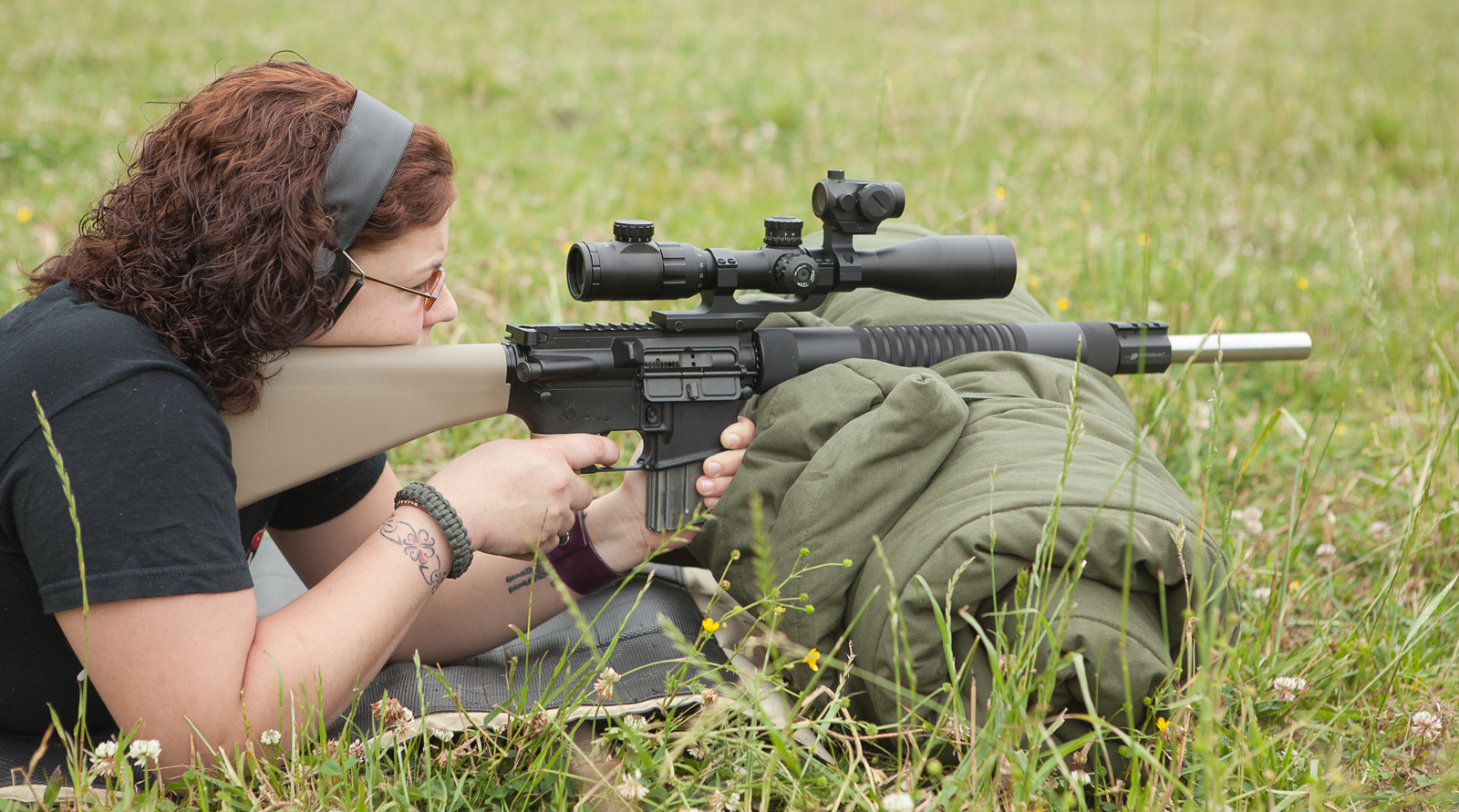
Superior Arms HBAR in .223 with 4-16x scope and red dot from Primary Arms
This rifle is a heavy barrel upper on a milspec lower. The scope and the red dot are inexpensive but work very well. The ability to adjust parallax is very helpful. The dot is placed very high but it’s meant for two purposes: centering the scope on target at higher magnifications and close-in defense when the bore offset is inconsequential. Despite the basic GI trigger and plan looks, this rifle is accurate. Below, a typical 50 yard target fired with ball ammunition.
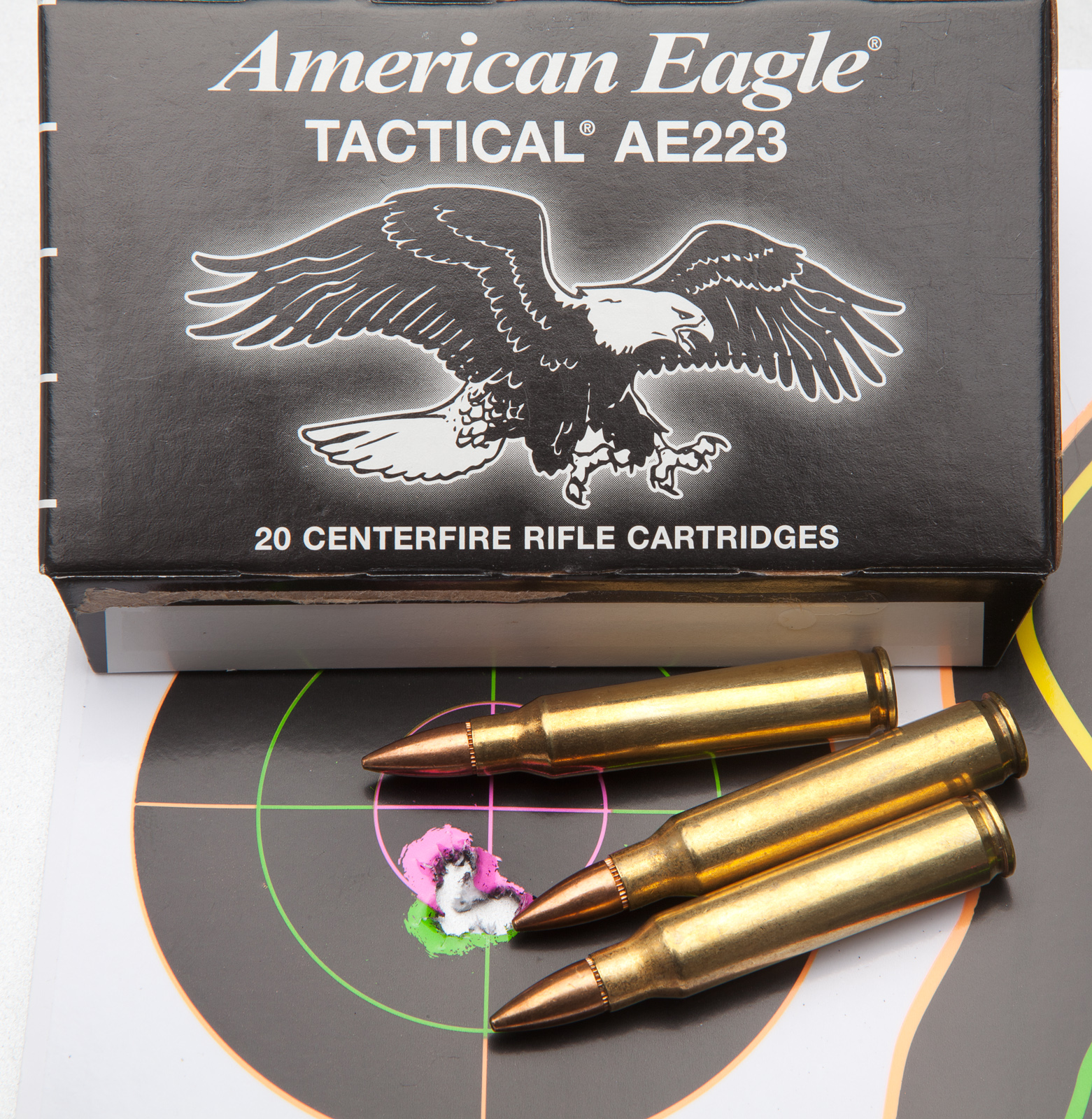
Some ball ammunition can be quite accurate. A 3-shot group at 50 yards.
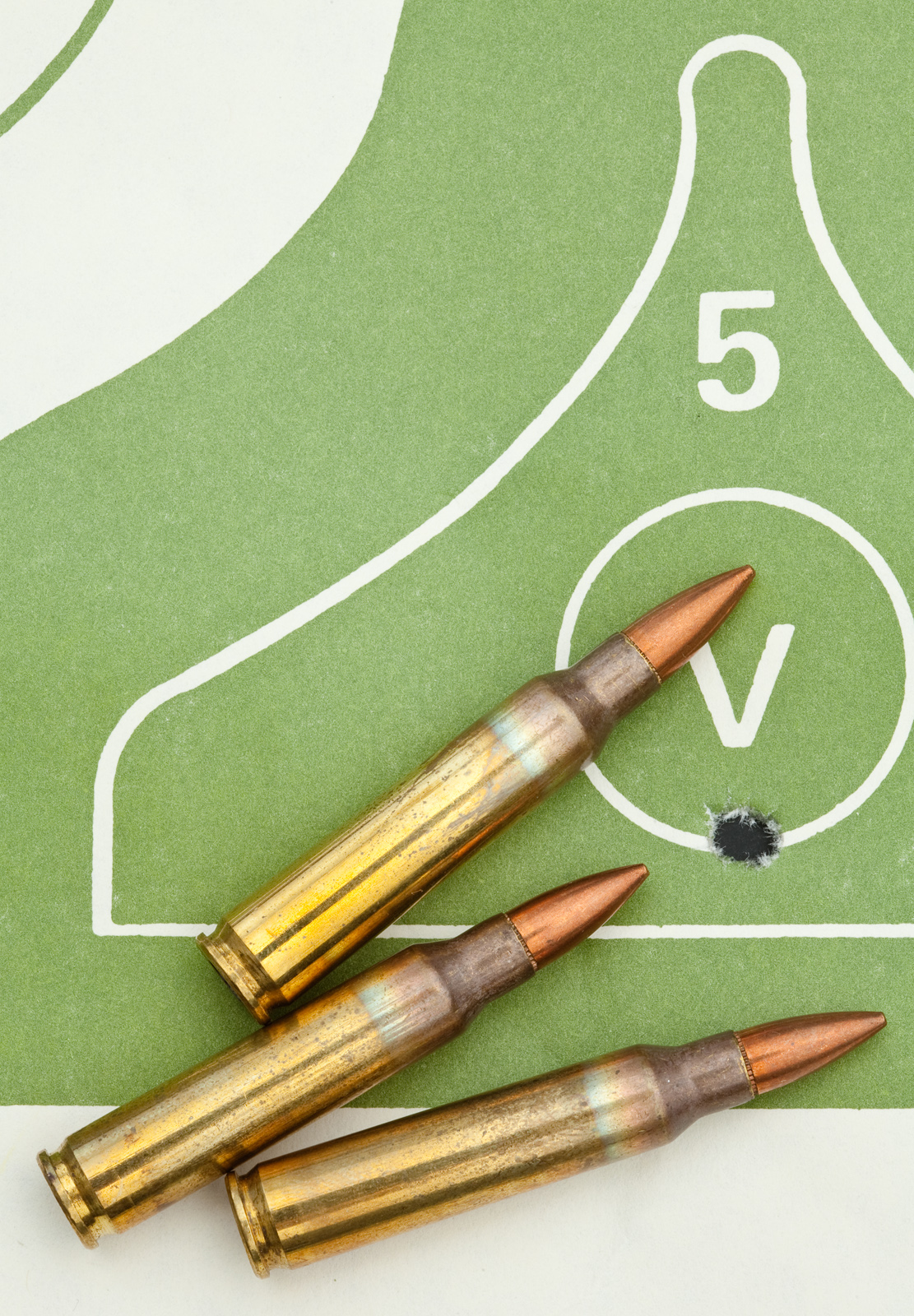
Last year's 50-yard 3-shot group with IMI ball
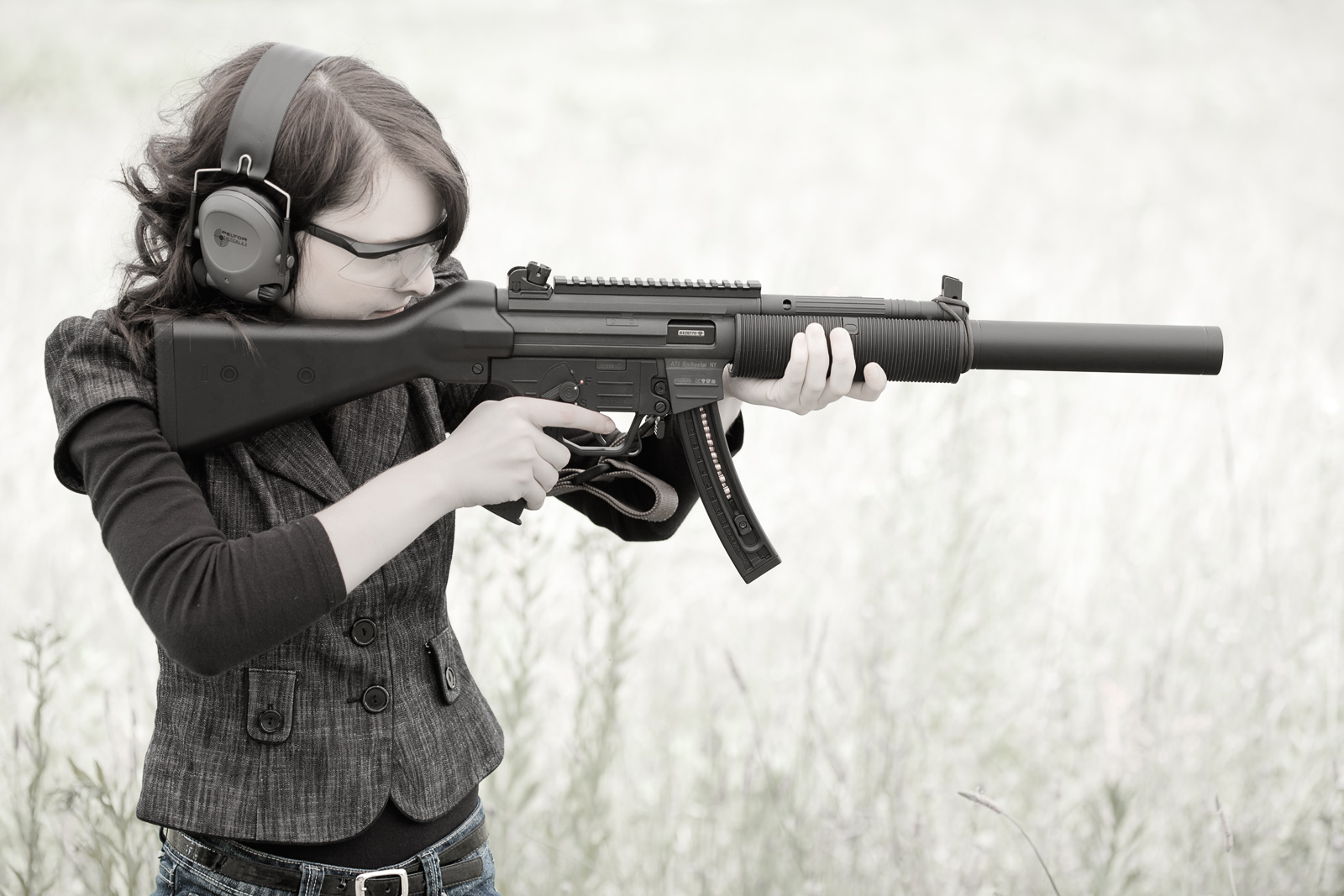
Keri tries out a GSG522.
http://www.imdb.com/title/tt1410063
Storyline: 5/5
Acting: 5/5 — main and secondary characters all convincing
SFX: 4/5 — impressive but a bit unrealistic at times
Music: not a notable factor
The film gets a lot of story-telling in a two and a quarter hours. Both action and interpersonal sequences were very well done. A few moments appear more theater-like but that doesn’t detract from the realism of the film. I wonder why American films utterly fail and portraying such convincing and engrossing worlds.
My friends excel at raising smart, personable children.
How practical are over and under rifle/shotgun combinations for hunting in the US? I am looking at the older 410/22 and newer 308/12ga or 223/20ga combos. Do game laws ever conflict with the ability to have shot and bullets available int he same firearm?
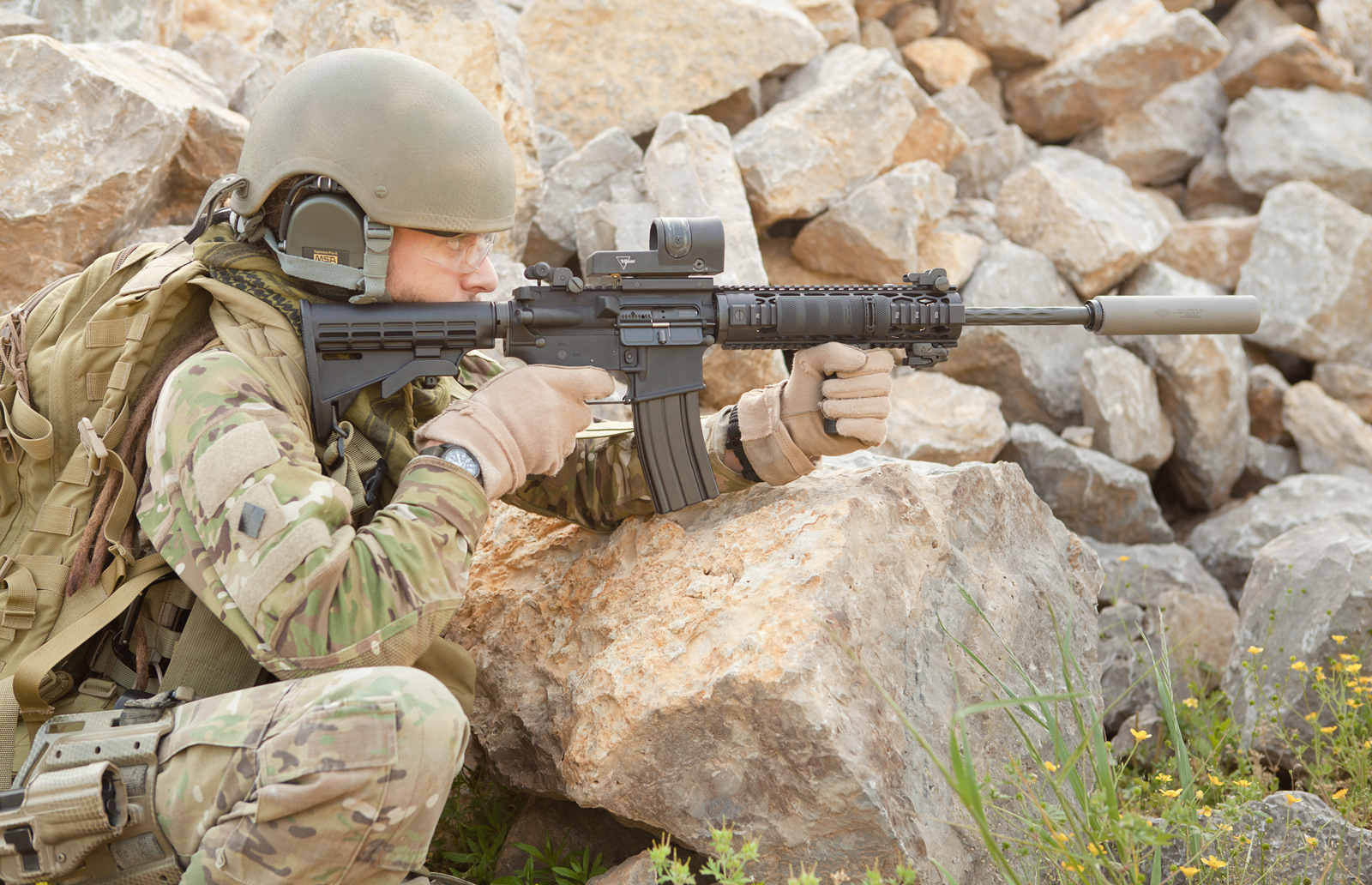
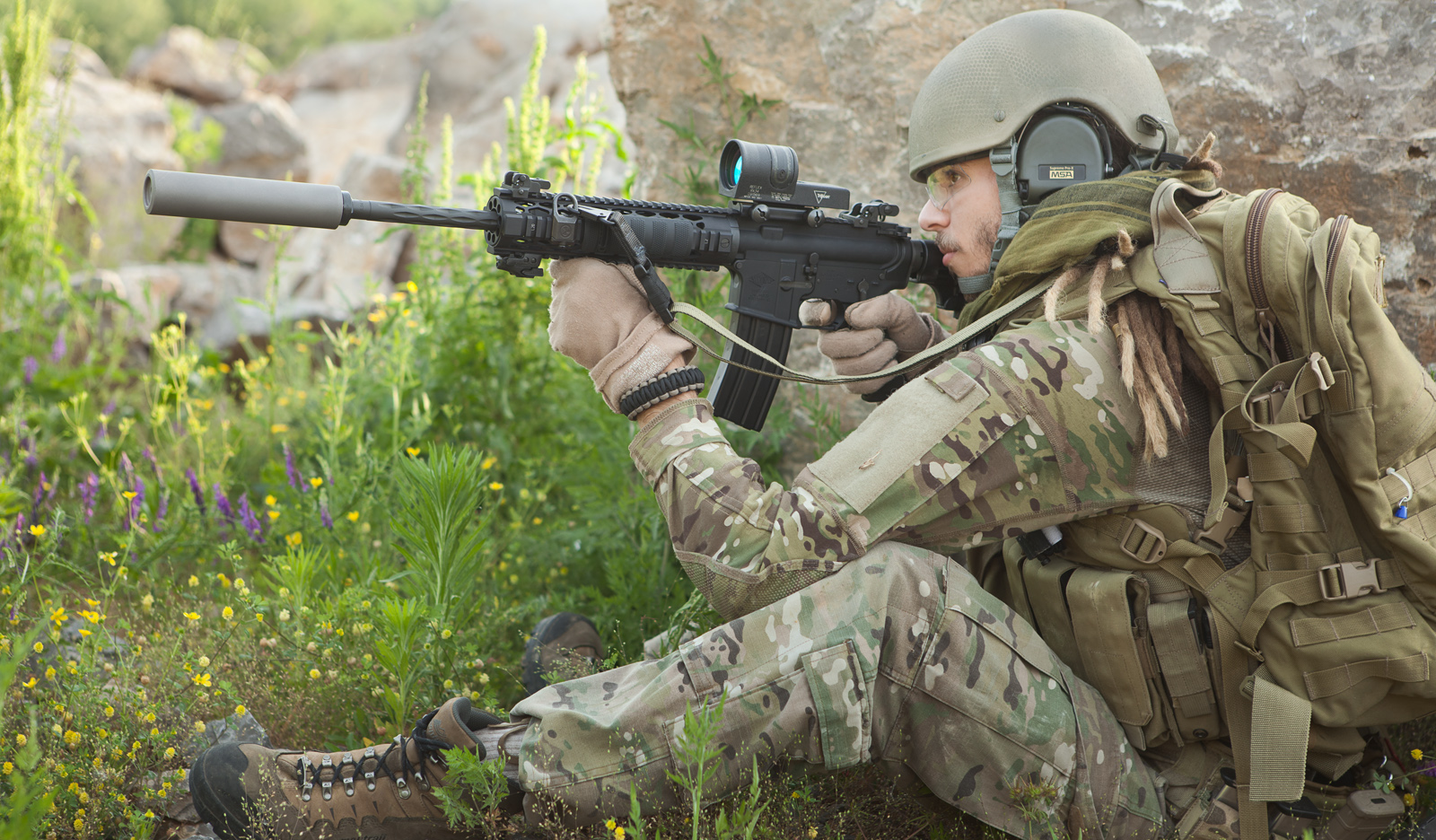
Modern homes are not built as fortresses. They are only as strong as the people defending them.
I hear quite a few worried comments about the possibility of civil unrest in the US. Looking at the precedents, I see three directions it could take: riots, pogroms and freelance criminal activity. The latter, individually perpetrated crime, is what we have now and outside the scope of the post. I suspect that we’ll see much the same level, plus or minus a few percent. For the sake of clarity, I would define riots as mass looting, attacks and other criminal impositions conducted without government sanction. Pogroms would be the same but conducted with either tacit or overt official support. Police might either stay out of the fray or actively suppress minority resistance.
A typical pogrom against European Jews seldom met with much resistance as people were afraid of “provoking them further”. A typical African pogrom tended to have such an overwhelming disparity of numbers and arms that the victimized communities simply disappeared into mass graves. Historically, American riots have been smaller in scope and duration, with the exception of 1967-68.
One reason why the New Orleans situation concerned so many was the questionable behavior of the civil authorities. Some cops were later convicted of murder, more than a few got away with raiding the lawful people and disarming them. For the near future, the position of police and similar agencies may become the greatest factor in the development of riots.
A typical American city (that excludes certain un-American aberrations like New York and Chicago) has enough hunters and recreational shooters to be impregnable to a typical rioting mob. Not counting various purely defensive arms like handguns and shotguns, every good neighborhood has several people with scoped rifles capable of reaching out to the limit of available line of sight. A modern deer or varmint rifle is no less accurate than most WW2 sniper rifles and has far better optics. A 200 yards shot on a deer is not a stretch for a typical hunter, and kill zone on a deer isn’t any larger than that on a hoodlum with a Molotov cocktail in hand.
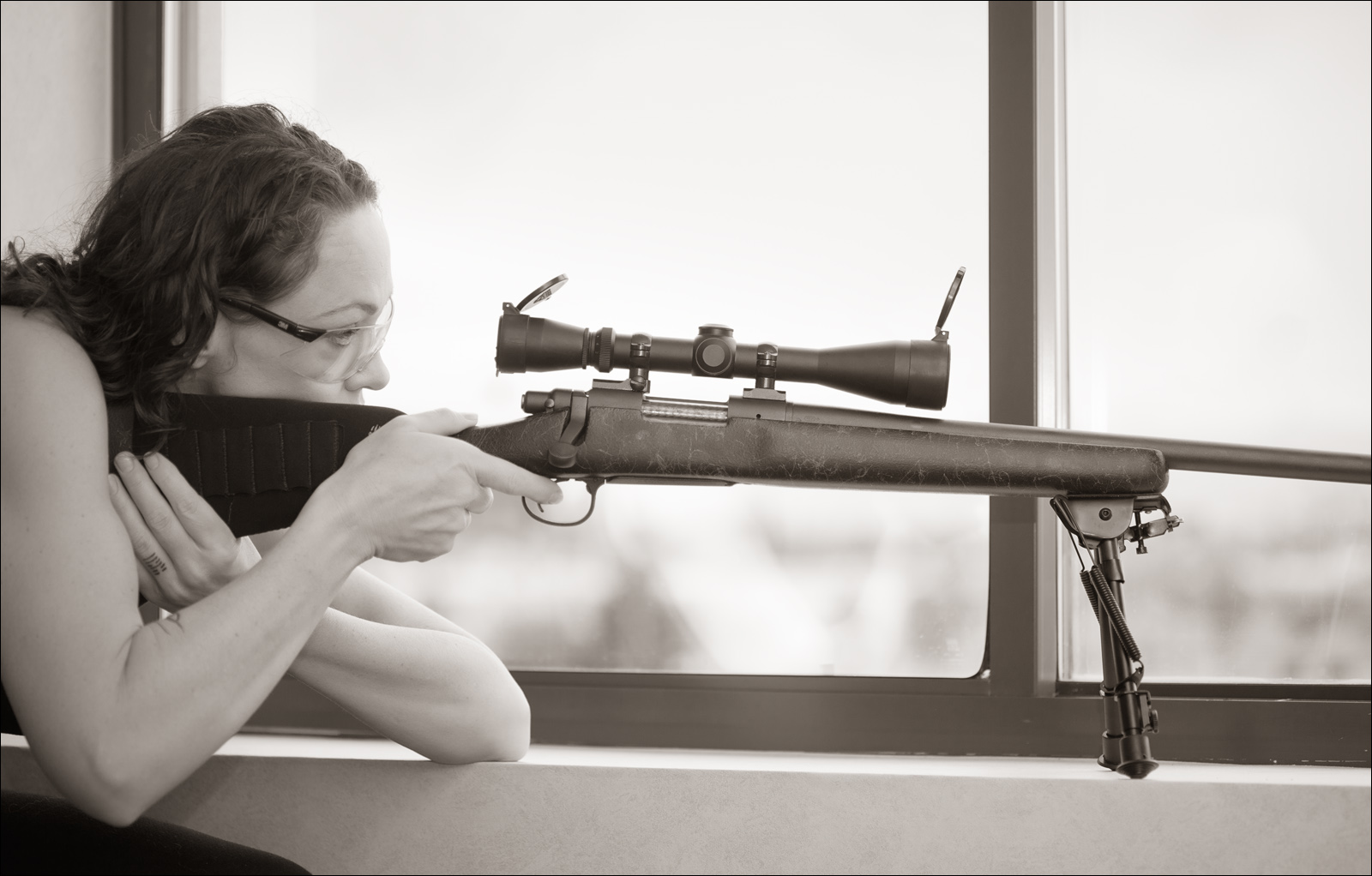
Proximity to windows gives a wider field of fire. If rioters have long guns of their own, a position set back from the windows offers better concealment. A room acts as a flash hider and muffler, making it very difficult to spot the defender.
From the 1992 LA riots, we know that at least some criminals kept up attacks despite being fired upon with pistols. Being able to observe their victims and overwhelm them with numbers apparently made up for the risk of getting shot. We also know that rifle fire from extended ranges, especially with the shooter being invisible, cause instant retreat. In 1992, people were willing to fire at extended ranges due to the absence of authorities — 50 yards is not a typical self-defense range and most people are conditioned not to fire until backed into a corner and almost at contact distance. Lawful people are also conditioned to perceive individuals rather than groups or mobs as threats, so most would not fire into a hostile group. Putting buckshot with “to whom this may be addressed” dispersion into a group can be very effective but goes counter to the peacetime conditioning. The number of conversations with 911 dispatchers where people in dire and immediate danger keep asking for permission to fire suggests that the main factor preventing massive casualties to rioters is the lack of the will, not the lack of firepower. That will is notably bolstered whenever a riot affects residential areas rather than business districts. A store may be abandoned, but a home with a family within is likely to be defended to the last.
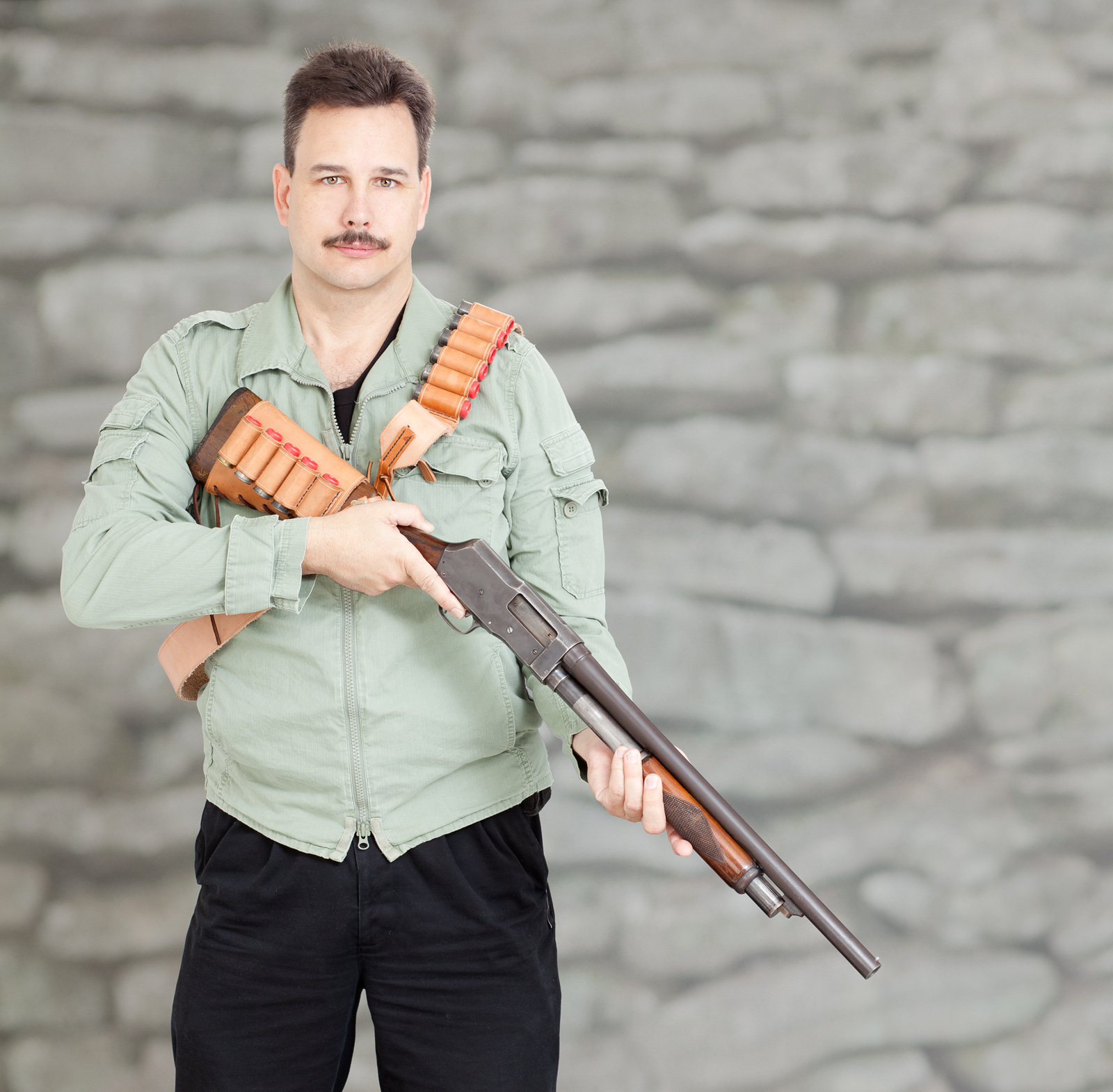
Even an antique shotgun with a handful of shells is often sufficient to back up a mob. Birdshot lacks range, but buckshot is effective out to 25-30 yards and slugs work against vehicles and other cover.
In terms of equipment, night vision would be at the top of the list. Since rioters favor nighttime and wear no uniforms, the defenders would have to be able to observe them and be very sure about the hostile actions before firing. Due to possible electrical power failures, it would be prudent to locate emergency store lights in advance. The same goes for weapon lights and floodlights. In terms of disadvantages, defenders are greatly restricted in maneuver. If they wait until point blank range before opening fire, they can be enveloped from the sides and burned out. That eventuality makes long-range response more attractive.
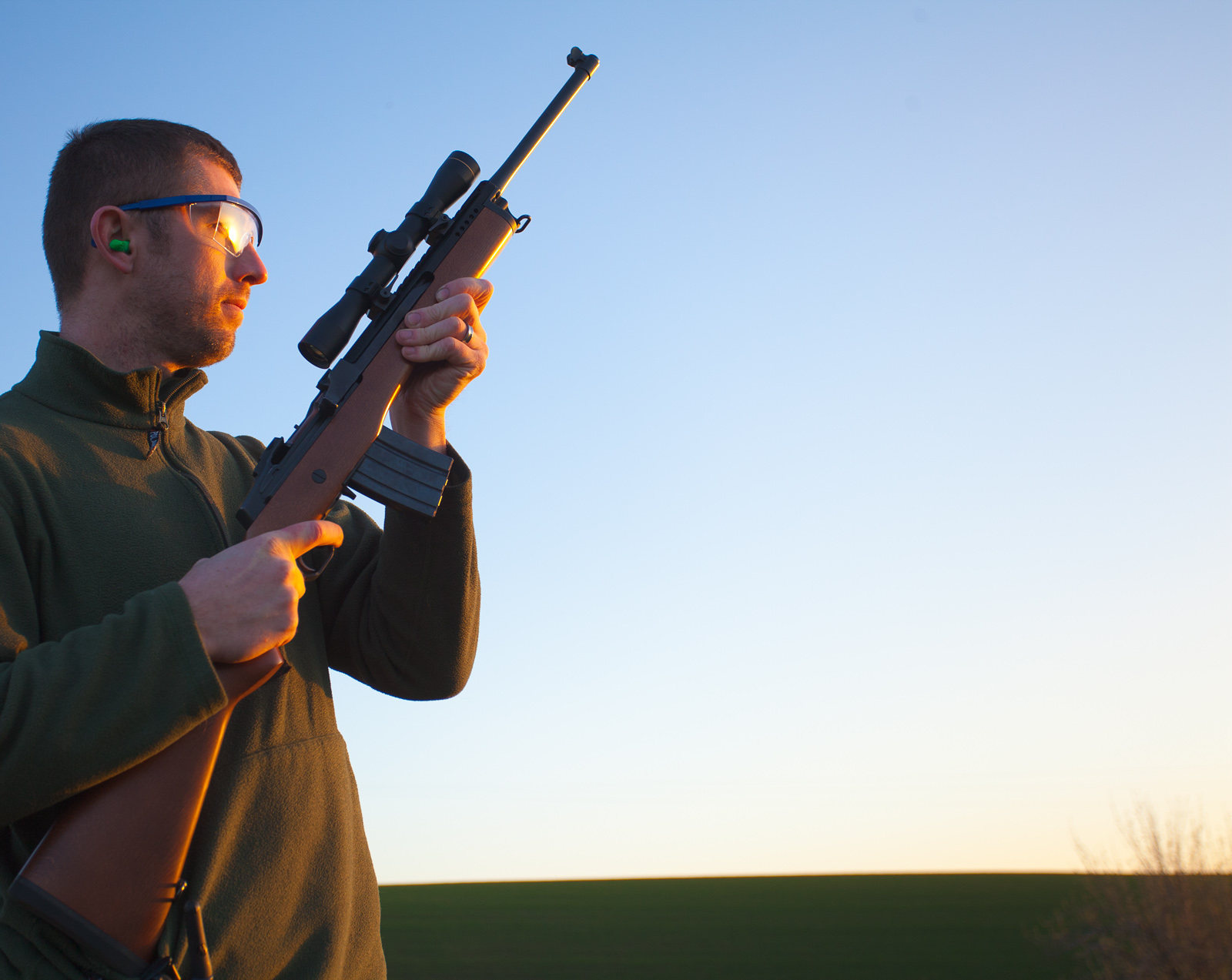
Even a lightweight hunting carbine like Mini14 is sufficient for urban defense. It's entirely adequate out to 200m, and that's longer than direct line of sight from ground level in most cities.
From observing the past events and looking around my own city, I suspect that mass civil disturbances would be unlikely to spread far from the point of origination — if they even happened. The victims would be the “low-hanging fruit”, probably the neighbors of the perpetrators. Violence would be expressive rather than instrumental, with looting being secondary to mayhem and arson. The greatest danger for residents of other, more remote neighborhoods would be from having to travel past choke points — observing traffic rules and evading attacks is often mutually exclusive tasks. Normal people still have to go to work every day, their kids have to go to school. Any place other than the flashpoints of riots, a person bent on mischief would have to ask himself for whom the scope objective bell tolls. Sniping as a method can be used for both good and evil. Fortunately, the mindset required for rioting is not the same as required for sniping, so the likelihood of a mob being supported by deliberate rifle fire is not very high.
In sum, I don’t view rioting as a likely danger for most of the US. I also think that the peaceable, lawful population has the ability to thin the ranks of rioters drastically should that ever become necessary. To that end, it’s good to know your weapons and have them accessible if necessary. It’s also worth having more than a partial box of ammunition on hand.
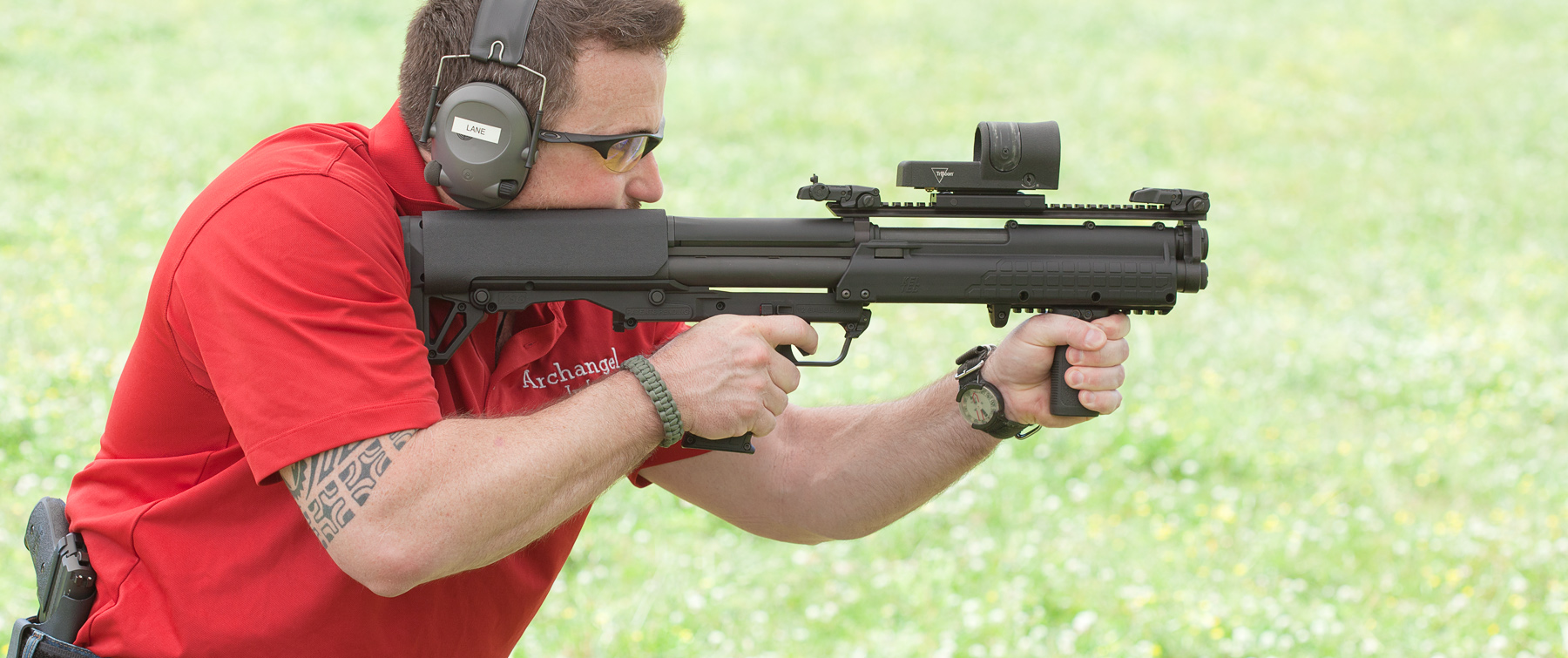
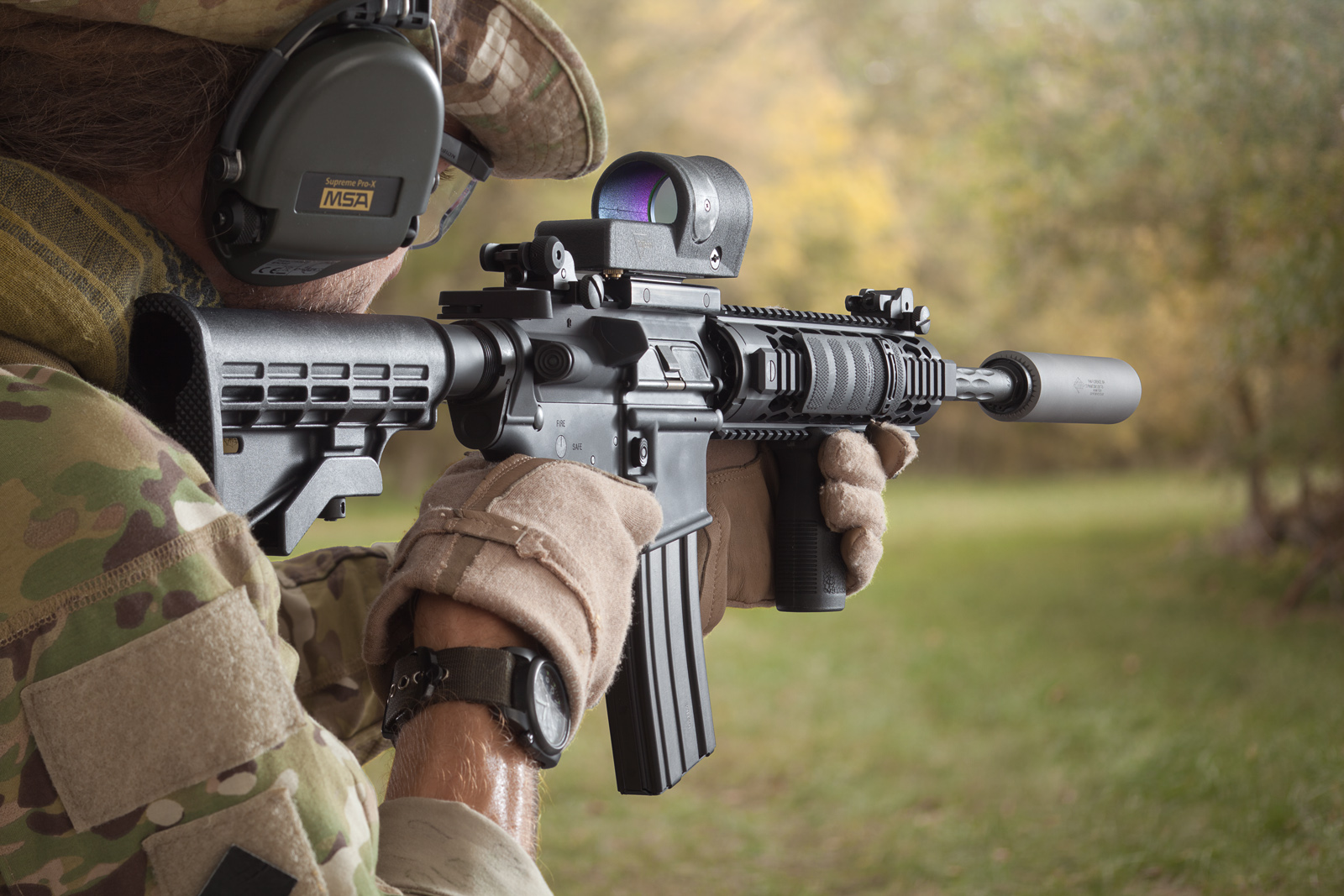
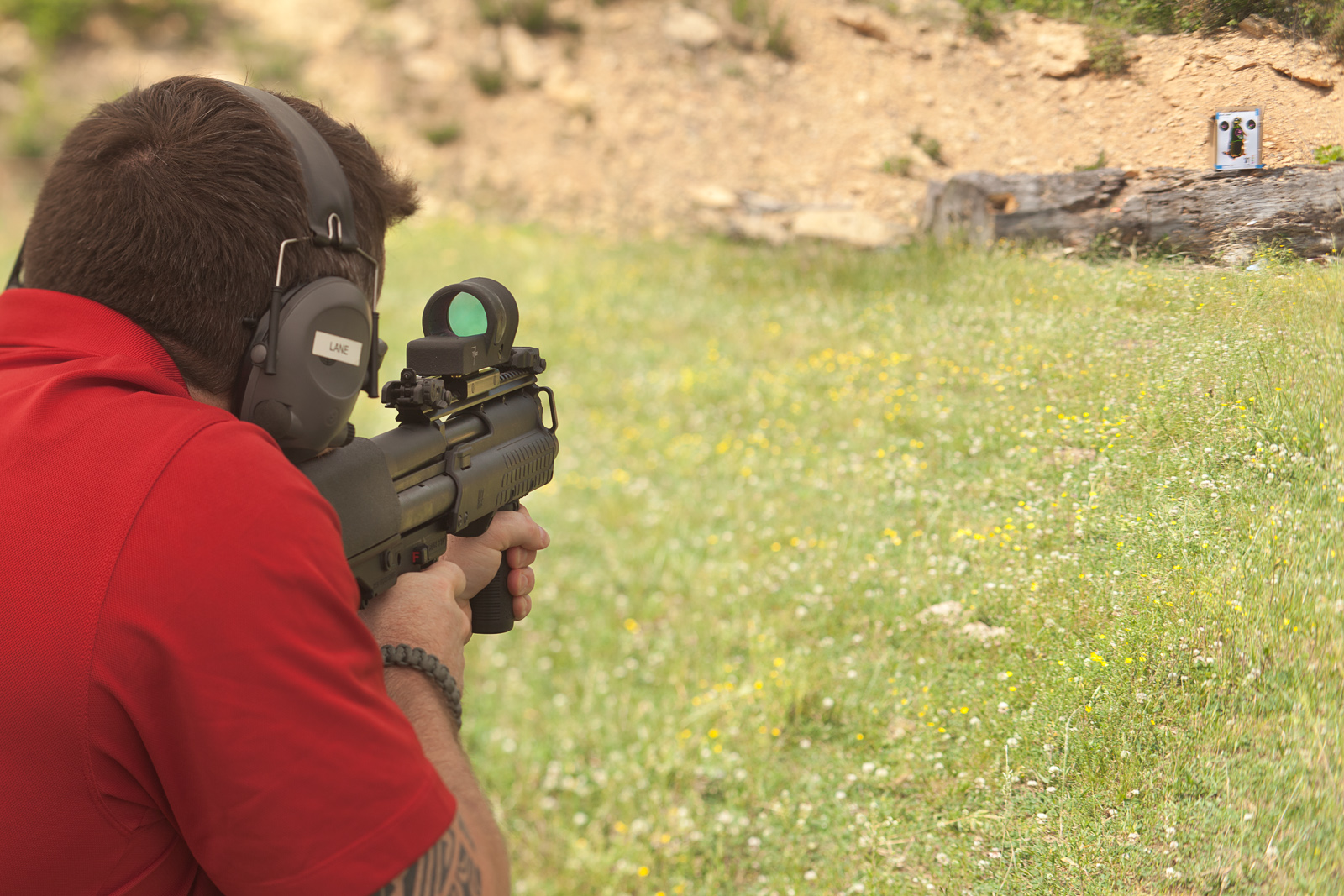
I finally found a good sight for the KSG: fiber optic Reflex. It holds the recoil of slugs fine, has a wide field of view and a bright reticle. Fiber optic/tritium illumimation means I do not have to remember to turn it on and off. Blue tint and amber dot work well against blue sky.
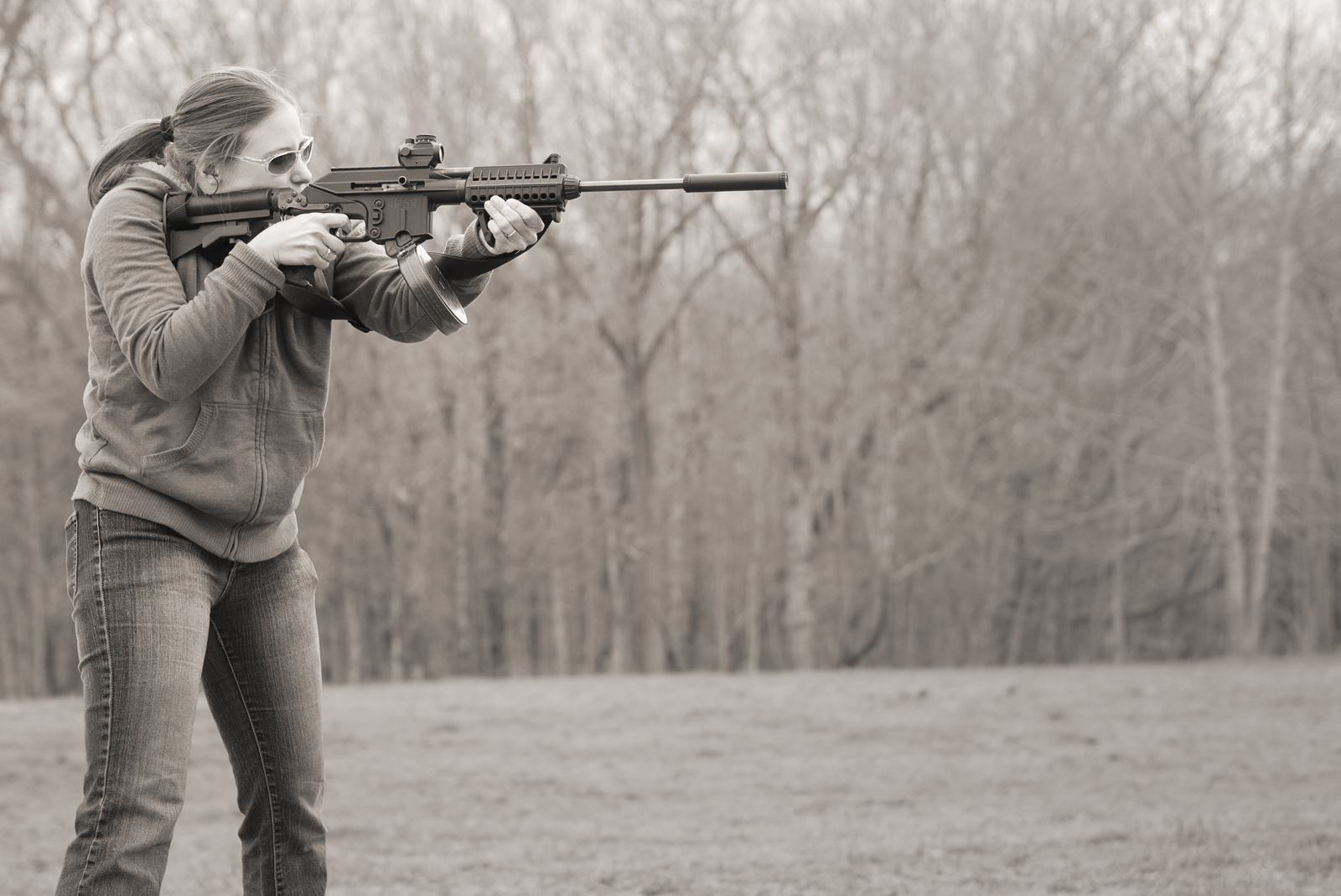
Plinking with a .22 for the first time in her life.

After-range clean-up.